
by Andrew Ferras | Jun 2, 2025 | Allergies
California, with its breathtakingly diverse landscapes, unfortunately, also boasts an extended, often year-round, allergy season. While many associate allergies with fleeting spring blooms, Californians frequently find themselves battling sniffles, congestion, and itchy eyes throughout much of the year. This near-constant exposure to various allergens underscores the importance of understanding the specific triggers in your environment and seeking comprehensive care for lasting relief. An allergy doctor in Irvine or an ENT for year-round pollen allergies can provide the expert guidance needed to navigate this complex landscape.
Why do so many in California experience allergy symptoms almost continuously? The answer lies in the state’s varied climate and the succession of different plant life that pollinates throughout the year. This extended exposure highlights the important role of ENT (Ear, Nose, and Throat) specialists in providing long-term allergy diagnosis and management, going beyond simple symptom relief to address the root causes of your discomfort.
Understanding California’s Unique Allergy Triggers
The specific culprits behind your pollen allergies and sinus allergies often depend on where you live in California.
Coastal Areas
The proximity to the Pacific Ocean creates a unique environment where humidity levels tend to be higher. This moist air fosters the growth of mold spores, which can be a significant year-round allergen for many coastal residents. Additionally, various types of grass pollen thrive in these regions, often exhibiting multiple pollination cycles throughout the year, leading to prolonged periods of allergic reactions.
Common coastal grasses like ryegrass and Bermuda grass release pollen at different times, extending the allergy season. The sea air itself, while often perceived as clean, can carry these allergens and contribute to respiratory irritation in susceptible individuals. If you live near the coast and experience persistent sneezing or congestion, mold and grass pollen are likely contributors.
Inland Valleys
Moving away from the immediate coast, the drier, often hotter climate of California’s inland valleys fosters a different set of primary allergens. Tree pollen is particularly prevalent here, with significant pollination from oak trees in the spring and olive trees later in the season. These can trigger intense allergic reactions in many individuals. As the seasons progress, weed pollen becomes a major concern, with ragweed typically peaking in the late summer and fall.
The vast agricultural lands in some inland valleys can also contribute unique pollen to the mix. Residents of these areas often find themselves reacting to the airborne pollen from these trees and weeds, leading to classic hay fever symptoms. Understanding whether you react more strongly in the spring (trees) or late summer/fall (weeds) can help in managing your seasonal allergies.
Urban Areas
While pollen from outdoor sources still circulates in California’s cities, urban environments introduce a different set of significant allergens. Air pollution, stemming from traffic, industrial activity, and other sources, can irritate the respiratory tract and exacerbate allergic responses to pollen and other airborne particles. Indoors, dust mites flourish in carpets, bedding, and upholstery, becoming a year-round source of allergic reactions.
Similarly, cockroach allergens, found in their droppings and shed skin, can trigger allergic symptoms, particularly in densely populated urban areas. These indoor allergens often lead to perennial allergy symptoms, meaning they can occur at any time of the year, rather than just during specific pollen seasons. If your allergy symptoms seem less tied to specific times of the year and more consistent indoors, dust mites and cockroach allergens might be playing a significant role.
The continuous cycle of different plants pollinating means that seasonal allergy periods often blend into the next, making it feel like allergy season never truly ends. Adding to this, environmental factors such as wildfires, which release particulate matter into the air, dry heat that can irritate nasal passages, and prolonged droughts that can concentrate pollen, all contribute to the persistent allergy burden in California.
Also Read: Is There a Connection Between Allergies and Sleep? What You Should Know
When to See an ENT for Allergies
While over-the-counter medications can provide temporary relief, certain situations warrant the expertise of an ENT specialist. Consider scheduling an appointment with an allergy doctor in Irvine or an ENT in Irvine if you experience:
- Chronic nasal congestion, persistent post nasal drip, and ongoing sinus pressure.
- Allergy symptoms that don’t significantly improve with over-the-counter remedies.
- Frequent sinus infections or increasing difficulty breathing through your nose.
- Suspected structural issues within the nasal passages, such as a deviated septum or nasal polyps.
- Allergies that significantly impact your sleep, daily productivity, or overall quality of life.
Seeking ENT allergy care ensures a more thorough evaluation and access to a wider range of diagnostic and treatment options.
ENT-Recommended Allergy Testing & Diagnosis
An ENT specialist has the tools and expertise to pinpoint your specific allergy triggers. Common diagnostic methods include:
- Skin prick tests: These involve exposing small areas of your skin to various allergens and observing for a reaction.
- Blood tests: These measure the levels of specific antibodies in your blood in response to different allergens.
Identifying your specific allergens is important for developing a customized and effective allergy treatment plan. In cases of persistent symptoms, your ENT may also utilize:
- Sinus CT scans: These imaging tests can reveal inflammation or structural abnormalities within the sinuses.
- Nasal endoscopy: This procedure involves using a thin, flexible scope with a camera to visualize the inside of your nasal passages and sinuses.
Choosing to work with an ENT offers significant advantages over relying solely on generalist care, providing a deeper understanding of your condition and more targeted interventions.
Medical Treatment Options from ENT Specialists
Based on your diagnosis, an ENT can recommend a variety of medical treatments to manage your allergies effectively:
- Prescription antihistamines and intranasal corticosteroids: These medications help to reduce inflammation, itching, and congestion.
- Nasal irrigation (saline rinses): Regularly flushing the nasal passages with saline solution can help to clear allergies and mucus. Proper technique will be advised by your ENT.
- Antileukotrienes and decongestants: These may be prescribed for persistent symptoms, often in conjunction with other medications.
- Immunotherapy (allergy shots or sublingual drops): This long-term ENT-approved allergy treatment gradually desensitizes your immune system to specific allergens, offering lasting relief.
Addressing chronic sinus inflammation is often a key component of ENT allergy care, as allergies can frequently contribute to sinus issues.
Also Read: Is Your GERD Actually Caused by Allergies? What You Should Know
Lifestyle and Environmental Management Tips
In addition to medical treatments, your ENT will likely recommend lifestyle adjustments to minimize your exposure to allergens:
- Using HEPA filters and air purifiers throughout your home and office can help remove airborne allergens.
- Showering and changing clothes after spending time outdoors can reduce the amount of pollen you bring inside.
- Keeping windows closed, especially during peak pollen times, can limit allergen entry.
- Monitoring local pollen counts can help you plan your activities accordingly.
- Staying well-hydrated and considering dietary changes that may reduce histamine overload can also be beneficial.
Surgical Options for Severe Allergy-Related Issues
In some cases, when allergies lead to significant structural problems and persistent symptoms, surgical options may be considered:
- Balloon sinuplasty or endoscopic sinus surgery can improve drainage and relieve chronic congestion.
- Turbinate reduction can address persistent nasal swelling that obstructs breathing.
- Septoplasty may be recommended if a deviated septum is contributing to poor airflow and exacerbating allergy symptoms.
Often, the best ENT for allergy relief in Irvine, CA, will integrate allergy management with structural correction to achieve the most favorable outcomes for patients.
Conclusion
Navigating California’s extended allergy season requires a proactive and personalized approach. While over-the-counter remedies offer some relief, an allergy doctor in Irvine or an ENT in Irvine provides access to advanced diagnostic tools and comprehensive treatment strategies that go beyond simply masking symptoms.
For those struggling with persistent pollen allergies, a chronic sinus allergy, or frustrating seasonal allergies, seeking ENT allergy care and exploring ENT-approved allergy treatment options is a necessary step towards long-term well-being.
If you’re seeking the best ENT for allergy relief in Irvine, CA, we encourage you to schedule a consultation with Orange Coast Ear Nose and Throat Head and Neck Surgery to take control of your sinus and allergy health and breathe easier year-round.

by Andrew Ferras | Mar 25, 2025 | Ear Concerns
Ever experienced ear pain that just won’t quit? You might automatically assume it’s an ear infection, but what if it’s something else? Temporomandibular joint (TMJ) disorders and ear infections share surprisingly similar symptoms, leading to confusion and potential misdiagnosis. This article will look at the causes, symptoms, and treatment options for both TMJ disorders and ear infections, helping you distinguish between the two and know when to seek help from an ENT specialist in Irvine, CA, or an ENT specialist near me.
Understanding TMJ Disorders
The temporomandibular joint (TMJ) is a complex, intricate structure, more than just a simple hinge. It’s a bilateral joint, meaning you have one on each side of your face, connecting your mandible (lower jaw) to your temporal bones (part of your skull in front of your ears). This joint is unique because it allows for both hinge and sliding movements, enabling a wide range of jaw motions necessary for daily functions like speaking, chewing, and yawning.
Common Causes of TMJ Issues
- Jaw Misalignment (Malocclusion): An improper bite or misalignment of the teeth can place excessive stress on the TMJ.
- Teeth Grinding (Bruxism): Bruxism, often occurring during sleep, involves clenching or grinding the teeth.
- Stress-Related Jaw Tension: Stress can manifest physically as muscle tension, particularly in the jaw muscles.
- Arthritis or Joint Damage: Like other joints in the body, the TMJ can be affected by arthritis, such as osteoarthritis or rheumatoid arthritis.
- Connective Tissue Disorders: Certain connective tissue disorders, such as Ehlers-Danlos syndrome, can cause hypermobility of the TMJ, leading to instability and pain.
The close anatomical relationship between the TMJ and the ear contributes to the overlapping symptoms of TMJ disorders and ear infections. The trigeminal nerve, which innervates the TMJ, also provides sensory input to the ear. When the TMJ is inflamed or dysfunctional, it can irritate this nerve, causing referred pain in the ear. Additionally, the muscles surrounding the TMJ are located near the ear canal, and tension in these muscles can lead to ear pain and discomfort.
Also Read: When to See an ENT for TMJ Pain
Understanding Ear Infections
Ear infections are a common ailment, affecting individuals of all ages, though they are particularly prevalent in children. These infections occur when bacteria or viruses invade the different parts of the ear, leading to inflammation and discomfort. We can generally categorize ear infections into two main types: otitis media (middle ear infection) and otitis externa (outer ear infection).
Otitis Media (Middle Ear Infection)
The middle ear is the space behind the eardrum, containing the tiny bones (malleus, incus, and stapes) that transmit sound vibrations. It’s connected to the back of the throat by the Eustachian tube, which helps equalize pressure and drain fluid.
Often, a middle ear infection comes from an upper respiratory infection, such as a cold or flu. Viruses can also cause middle ear infections. When the Eustachian tube becomes blocked or swollen due to allergies, sinus infections, or enlarged adenoids, fluid can build up in the middle ear. This fluid provides a breeding ground for bacteria and viruses.
Otitis Externa (Outer Ear Infection or Swimmer’s Ear)
The outer ear includes the ear canal and the pinna (the visible part of the ear). Bacteria like Pseudomonas aeruginosa and fungi can infect the skin lining the ear canal. Frequent exposure to water, especially in swimming can create a moist environment that encourages bacterial or fungal growth, known as swimmer’s ear. Scratching or cleaning the ear canal with cotton swabs or other objects can damage the delicate skin, making it vulnerable to infection. Eczema or psoriasis can also predispose individuals to otitis externa.
The Jaw Pain Connection
The proximity of the ear to the temporomandibular joint (TMJ) and the shared nerve pathways can explain why ear infections sometimes cause jaw pain. Inflammation and swelling from an ear infection can radiate to the surrounding tissues, including the jaw muscles. Additionally, the pain signals from the infected ear can be interpreted by the brain as originating from the nearby jaw.
Also Read: What Are the Long-Term Effects of Ear Infections?
Key Warning Signs of TMJ vs. Ear Infection
Symptoms Associated with TMJ Disorders
When considering TMJ disorders, the primary symptoms revolve around jaw function and related pain. Individuals often experience jaw pain, clicking, or popping sounds when opening or closing their mouths, indicative of issues with the joint’s disc. Chewing can become difficult, or the jaw may feel locked, hindering normal movement. Additionally, headaches, neck pain, and facial tenderness are common, as the muscles and nerves in these areas are interconnected with the TMJ.
Symptoms Associated with Ear Infections
Ear infections present with a distinct set of symptoms. The ear pain is often sharp and throbbing, with a sudden onset, signaling an inflammatory process. Hearing loss or muffled sounds may occur due to fluid buildup in the middle ear. Fever, dizziness, and a general feeling of being unwell are common, indicating a systemic infection. In some cases, pus or fluid drainage from the ear is present, a clear sign of infection. Unlike TMJ pain, ear infection pain persists regardless of jaw movement, though movement may exacerbate pain due to proximity. The presence of fever and drainage, combined with intense, persistent ear pain, strongly suggests an ear infection rather than a TMJ disorder.
Risk Factors and Who is More Likely to Develop Each Condition
TMJ Risk Factors
TMJ disorders are more prevalent in adults, particularly those who habitually clench or grind their teeth, a condition known as bruxism. This habit, often linked to stress, anxiety, or sleep disorders, places excessive strain on the temporomandibular joint, leading to inflammation and dysfunction. Individuals with a history of chronic stress, anxiety, or poor posture are also at increased risk, as these factors can contribute to muscle tension and misalignment of the jaw.
Ear Infection Risk Factors
Ear infections are significantly more common in children, primarily due to their smaller Eustachian tubes, which are more easily blocked, helping the movement of bacteria and viruses from the throat to the middle ear. Individuals with allergies, sinus infections, or colds are also at higher risk, as these conditions can cause inflammation and fluid buildup in the Eustachian tubes. Swimmers and those frequently exposed to moisture in the ears are prone to otitis externa, or swimmer’s ear, due to the moist environment that encourages bacterial and fungal growth.
Also Read: Can Ear Infections Cause Hearing Loss?
When to See a Doctor
It’s important to seek medical attention when you experience severe or persistent symptoms. Signs that indicate an ear infection needs immediate treatment include high fever, severe pain, and fluid drainage. TMJ symptoms that require a specialist’s evaluation include chronic pain, limited jaw mobility, and recurring headaches.
Diagnosis and Treatment Options
The diagnostic process for TMJ disorders typically begins with a thorough physical examination, including assessments of jaw movement and palpation of the joint and surrounding muscles. Jaw movement tests, like measuring the range of motion and identifying clicking or popping sounds, are important. If necessary, imaging tests such as X-rays, MRI, or CT scans may be used to visualize the joint’s structure and identify any abnormalities.
Diagnosing ear infections primarily involves a visual examination using an otoscope, which allows the healthcare provider to inspect the eardrum for signs of inflammation, redness, and fluid buildup. Hearing tests may be conducted to assess any hearing loss associated with the infection. A detailed discussion of recent illnesses, allergy history, and any related symptoms helps determine the underlying cause and guide appropriate treatment.
Treatment for TMJ disorders aims to alleviate pain and improve jaw function. Conservative approaches are often the first line of treatment, including jaw exercises, stress management techniques, and physical therapy to strengthen and stretch the jaw muscles. Mouthguards or bite splints may be recommended to prevent teeth grinding and reduce pressure on the joint. Pain relief options include over-the-counter NSAIDs, muscle relaxants, or corticosteroid injections for more severe pain. In rare cases, surgical interventions may be considered if conservative treatments fail to provide relief.
The treatment for ear infections depends on the cause and severity of the infection. If a bacterial infection is suspected, antibiotics are typically prescribed to eliminate the bacteria. Pain management with over-the-counter medications like acetaminophen or ibuprofen can help relieve discomfort. Warm compresses and nasal decongestants may also be recommended to alleviate pressure and congestion. In chronic cases of middle ear infections, particularly in children, surgical procedures such as the insertion of ear tubes may be necessary to facilitate fluid drainage and prevent recurrent infections.
Preventative Measures and Lifestyle Adjustments
To minimize the risk of TMJ disorders, implementing stress reduction techniques is necessary, as stress often leads to jaw clenching and teeth grinding. Practices such as meditation, yoga, or deep breathing exercises can help manage stress levels. Maintaining good posture and making ergonomic adjustments to workspaces and daily activities can also alleviate strain on the jaw. Additionally, avoiding hard or chewy foods that require excessive jaw movement can prevent unnecessary stress on the temporomandibular joint.
Preventing ear infections involves maintaining proper ear hygiene and minimizing exposure to factors that promote infection. Thoroughly drying the ears after swimming or bathing can prevent water retention, a common cause of outer ear infections. Promptly treating allergies and colds is essential, as these conditions can lead to fluid buildup in the middle ear, creating a breeding ground for bacteria. Avoiding smoking or exposure to secondhand smoke is also important, as smoke irritates the Eustachian tubes and increases susceptibility to infections. For children, breastfeeding and limiting pacifier use, particularly during sleep, can help reduce the risk of ear infections.
Conclusion
Distinguishing between TMJ disorders and ear infections can be challenging due to overlapping symptoms. However, understanding the key differences in causes and warning signs is key for proper diagnosis and treatment.
Early intervention and appropriate treatment can provide long-term relief and improve your quality of life. By implementing preventative measures and making necessary lifestyle adjustments, you can minimize the risk of both TMJ issues and ear infections.
Ready to take action? Contact the experts at Orange County ENT Head and Neck Surgery today!

by Andrew Ferras | Mar 15, 2025 | Ear Concerns
Earbuds have become an essential part of daily life. We use them to listen to podcasts, take calls, and enjoy music without distractions. Their portability and convenience make them indispensable, but have you ever considered their impact on your hearing and overall ear health? Keep reading to learn the facts and to know when to see a hearing specialist in Irvine.
How Earbuds Work and Why They’re Popular
Earbuds produce sound through small speakers called transducers, which convert electrical signals into vibrations that create sound waves. These waves travel directly into the ear canal, minimizing outside noise and enhancing the listening experience. While this design makes them ideal for noisy environments, it also increases the risk of hearing damage if the volume is too high.
Their lightweight and compact design have made them a preferred choice for hands-free communication, virtual meetings, and entertainment. Whether you’re commuting, working out, or working remotely, earbuds offer a private and portable audio solution. However, because they sit deep in the ear canal, they pose unique risks that over-ear headphones do not.
The Risks of Earbud on Hearing
Noise-Induced Hearing Loss (NIHL)
Prolonged exposure to loud sounds can damage the cochlea, the inner ear structure responsible for converting sound waves into electrical signals for the brain. The tiny hair cells in the cochlea can become overstimulated and die, leading to irreversible hearing loss. Common symptoms include difficulty understanding speech, persistent ringing in the ears (tinnitus), and reduced sound clarity.
Since earbuds sit close to the eardrum, they amplify sound exposure. Unlike over-ear headphones, which allow some sound to dissipate, earbuds concentrate audio directly into the ear canal. Many users increase the volume in noisy settings to compensate for background noise, further increasing the risk of hearing damage. To protect your hearing, keep the volume at a safe level and limit listening duration.
Temporary vs. Permanent Hearing Damage
After exposure to loud sounds, you may experience temporary symptoms such as muffled hearing or ringing in the ears. These warning signs indicate ear strain. While hearing may recover after rest, repeated exposure reduces the ear’s ability to heal, leading to permanent damage.
Hair cells in the cochlea do not regenerate. Once they are damaged, they can no longer effectively transmit sound signals to the brain, making it harder to distinguish speech and hear high-pitched sounds. Over time, this can significantly affect daily communication and overall quality of life.
More Than Just Hearing: Other Ear Health Concerns
Wearing earbuds for extended periods traps heat and moisture in the ear canal, creating an ideal environment for bacteria and fungi to grow. Sharing earbuds or using unclean ones increases the risk of infections, leading to pain, discharge, and temporary hearing issues. Cleaning earbuds regularly and avoiding sharing them can help prevent infections.
Earwax Buildup
Earwax protects the ear by capturing dust and bacteria, but frequent earbud use can push wax deeper into the canal, leading to buildup and blockages. This can result in discomfort, muffled hearing, and even infections. Keeping earbuds clean and avoiding deep insertion helps prevent impaction.
Ear Pain and Discomfort
A poor fit can cause pressure, irritation, and even minor abrasions in the ear canal. Some people may also have allergic reactions to materials like silicone or plastic, leading to itching and inflammation. Choosing hypoallergenic materials and the right fit can improve comfort and safety.
Disrupted Sound Awareness and Safety Risks
Extended earbud use can limit awareness of your surroundings, which is particularly dangerous when walking, cycling, or driving. You may not hear critical sounds like approaching vehicles or emergency sirens. In high-risk areas, consider using bone-conduction headphones or noise-canceling earbuds that allow for greater situational awareness.
Also Read: What Are the Long-Term Effects of Ear Infections?
Using Earbuds Safely
Follow Safe Listening Practices
The 60/60 rule is a useful guideline: listen at no more than 60% volume for no more than 60 minutes at a time. Taking breaks allows your ears to recover and reduces the risk of long-term damage. Noise-canceling earbuds can also help by blocking background noise, so you don’t need to increase the volume as much.
If you frequently listen in loud environments, consider using headphones with built-in volume limits to prevent unintentional hearing damage. Many devices provide volume warnings—pay attention to these alerts and adjust your listening habits accordingly.
Keep Earbuds Clean
Regularly wipe earbuds with a dry cloth or disinfectant to remove dirt, sweat, and bacteria. Pay extra attention to the ear tips, as they come into direct contact with your skin. Avoid sharing earbuds to reduce the risk of infections.
Choose the Right Fit
A secure, comfortable fit prevents unnecessary pressure and irritation. Trying different ear tip sizes and materials can help you find the best match for your ears. If traditional earbuds cause discomfort or ear canal issues, consider bone-conduction headphones, which transmit sound through vibrations in the skull while keeping your ears open to surrounding sounds.
Alternative Listening Solutions
For those concerned about hearing damage, over-ear headphones with noise isolation or active noise cancellation (ANC) can provide a safer alternative. These options reduce the need to increase volume in noisy environments. Open-ear designs, such as bone-conduction headphones, are another excellent choice for maintaining awareness while listening.
If you use earbuds frequently for work or entertainment, investing in high-quality models designed for long-term use can be beneficial. Some earbuds include built-in hearing protection, such as automatic volume adjustments or sound-level monitoring, to help prevent accidental exposure to high decibel levels.
Also Read: Can Ear Infections Cause Hearing Loss?
Conclusion
Earbuds make it easy to enjoy music, podcasts, and calls on the go, but using them responsibly is essential for protecting your hearing and ear health. Keep the volume at a safe level, take breaks, and maintain good hygiene. Choosing the right fit can prevent discomfort and long-term damage.
By making small adjustments, you can continue to enjoy your favorite audio without putting your ears at risk. Whether you use earbuds for work, fitness, or relaxation, taking proactive steps to protect your ears will help preserve your hearing for years to come.
If you have any early signs of hearing loss, you should meet with the hearing specialists at Orange Coast ENT Head and Neck Surgery. Contact us today!

by Andrew Ferras | Feb 26, 2025 | Sinus Infections
Sinus infections, or inflammations of the nasal passages, are a common ailment. Dental infections, on the other hand, originate in the teeth and gums. While seemingly separate, these two conditions can sometimes be linked. Understanding this connection is important for effective diagnosis and treatment. This blog post will explore the relationship between sinus infections and dental problems, helping you understand the crossover potential and when to seek professional help from a sinus doctor in Irvine, CA, or a sinus doctor near me.
How Sinus Infections Can Affect Teeth
When the sinuses become inflamed due to an infection (sinusitis), the increased pressure can cause pain that radiates to the upper teeth. This is known as referred pain, meaning the pain is felt in a location other than its source. You might experience a toothache, especially in the upper molars, even though the problem lies within the sinuses.
Furthermore, some symptoms of sinus infections, such as nasal congestion, facial pain, and headache, can mimic dental issues. This can make it difficult to distinguish between a sinus problem and a dental infection. In some cases, a sinus infection can lead to a localized condition called sinusitis-induced dental pain, where the inflammation directly irritates the nerves supplying the teeth.
Can Sinus Infections Lead to Dental Infections?
While a sinus infection itself isn’t likely to cause a dental infection in most cases, it can create an environment that makes one more susceptible. The pathways for infection spread are complex. While the thin bone separating the sinuses and tooth roots can act as a barrier, small openings or weaknesses can sometimes allow bacteria to travel.
Bacteria are often the culprits in both sinus and dental infections. A sinus infection, particularly if chronic, can introduce or exacerbate bacterial growth in the area, potentially affecting the teeth and gums if there is a pre-existing dental issue like gum disease or an exposed root. Risk factors that increase the likelihood of cross-contamination include poor oral hygiene, pre-existing dental infections, and weakened immune systems.
Also Read: Traveling With Sinus and Ear Problems: Tips and Tricks to Manage Symptoms
Signs and Symptoms of Overlapping Issues
Differentiating between sinus-related dental pain and a true dental infection can be challenging because the symptoms can mimic each other. The close proximity of the maxillary sinuses to the upper teeth is the culprit.
Common Signs of Sinus-Related Dental Pain vs. True Dental Infections
| Feature |
Sinus-Related Pain |
True Dental Infection |
| Location |
Often affects multiple upper teeth, sometimes all of them. |
Usually localized to a single tooth. |
| Pain Quality |
Dull, throbbing, pressure, or a feeling of fullness. |
Sharp, throbbing, or constant ache. |
| Other Symptoms |
Nasal congestion, runny nose, facial pressure (especially around the cheeks and eyes), headache, post-nasal drip. |
Swelling and redness of the gums around the affected tooth, sensitivity to hot or cold, possibly a bad taste in the mouth. |
| Aggravating Factors |
Pain may worsen with changes in head position (bending over, lying down), or with sinus pressure changes (flying, diving). |
Pain may worsen with chewing, biting, or applying pressure to the affected tooth. |
| Tenderness |
May be tender to touch over the sinuses (cheeks, forehead). |
Tenderness and swelling localized to the affected tooth and surrounding gum area. |
When to Suspect Sinus Involvement in Dental Symptoms
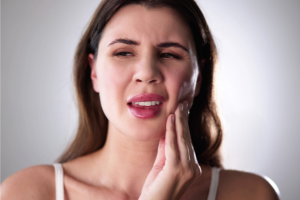 Multiple upper teeth are painful: If several or all of your upper back teeth ache, it’s more likely a sinus issue than multiple simultaneous dental infections.
- Pain is accompanied by sinus symptoms: Nasal congestion, runny nose, facial pressure, headache, and post-nasal drip alongside dental pain strongly suggest sinus involvement.
- Pain changes with head position: If the pain worsens when you bend over or lie down, it’s a classic sign of sinus pressure affecting the teeth.
- Pain is worse in the morning: Sinus pressure often builds up overnight, making symptoms more pronounced in the morning.
- No signs of dental infection: If there’s no swelling, redness, or sensitivity specific to a single tooth, a dental infection is less likely.
- History of sinus problems: If you have a history of sinusitis or allergies, you’re more prone to sinus-related dental pain.
Diagnosis
Accurate diagnosis is key to effective treatment. Both dentists and ENT specialists (sinus doctors in Irvine, CA) play important roles. Your dentist can assess your teeth and gums to rule out any dental causes. An ENT can evaluate your sinuses and determine if a sinus infection is contributing to your dental pain.
Also Read: Can Good Sleep Hygiene Improve Sinus Infection Symptoms? Here’s What You Should Know
Treatment and Management
Treatment for sinus infections aims to reduce inflammation, clear the infection, and relieve symptoms. Here are some common approaches for treating sinus infections:
Antibiotics
These are prescribed for bacterial sinus infections. Completing the full course of antibiotics is Important, even if symptoms improve, to ensure the infection is eradicated and prevent antibiotic resistance. While antibiotics target the sinus infection, they can sometimes have indirect effects on oral health. For example, some antibiotics can disrupt the balance of oral flora, potentially leading to oral thrush (a yeast infection).
Decongestants
These medications (available as nasal sprays or oral pills) help shrink swollen nasal passages, improving drainage and relieving congestion. Prolonged use of some decongestants can dry out the mouth, which can increase the risk of cavities and gum disease. Maintaining good oral hygiene is especially important when using decongestants.
Nasal Corticosteroids
These nasal sprays reduce inflammation in the sinuses. They are often used in conjunction with decongestants. Generally, nasal corticosteroids have minimal direct impact on dental health when used as directed. However, proper technique is essential to avoid accidentally spraying the medication into the back of the throat, which could potentially lead to oral thrush in some individuals.
Saline Nasal Irrigation
Rinsing the nasal passages with a saline solution can help clear mucus and debris, relieving congestion and promoting healing. Saline nasal irrigation is generally safe and has no direct negative impact on dental health. It can even be beneficial by helping to remove irritants that might contribute to sinus problems.
Pain Relievers
Over-the-counter pain relievers, such as acetaminophen or ibuprofen, can help manage pain and discomfort associated with sinus infections.
Also Read: Sinus Infection or Pneumonia? Critical Warning Signs You Can’t Ignore!
Importance of Addressing the Underlying Infection
If you have an active sinus infection, it’s generally best to postpone elective dental procedures until the infection has cleared. This helps minimize the risk of complications.
Treating the underlying sinus infection is important. Often, once the sinus infection resolves, the associated dental pain will also disappear. Attempting to treat dental pain caused by a sinus infection without addressing the sinus problem itself is unlikely to provide lasting relief. Similarly, if a dental infection is present alongside a sinus infection, both issues must be addressed concurrently for complete recovery. Failure to treat either the sinus infection or the dental infection can lead to prolonged pain, complications, and potentially more serious health issues.
Preventive Measures
Preventing sinus infections can indirectly protect your dental health. Managing allergies, staying hydrated, and practicing good nasal hygiene (e.g., using a saline nasal spray) can help reduce the frequency of sinus infections. Maintaining excellent oral hygiene, including regular brushing, flossing, and dental checkups, is essential for preventing dental infections.
Conclusion
The connection between sinus and dental health is undeniable. While sinus infections can cause dental pain and, in some cases, contribute to dental problems, they are less likely to directly cause a dental infection. Understanding the relationship between these two conditions is important for effective diagnosis and treatment.
If you’re experiencing dental pain alongside sinus symptoms, contact Orange Coast ENT Head and Neck Surgery. Contact us today to schedule a consultation and get the relief you deserve!
by Andrew Ferras | Feb 5, 2025 | Allergy Testing, Allergies
Allergies are a common ailment affecting millions worldwide. Allergy symptoms can be disruptive and uncomfortable, from familiar sneezing and runny nose to itchy eyes and throat. While we often associate allergies with daytime discomfort, their impact on sleep is often underestimated. If you find yourself tossing and turning at night, your allergies could be to blame.
How Allergies Affect Sleep
Allergies can significantly disrupt sleep in several ways. Nasal congestion, or allergic rhinitis, makes breathing difficult, especially when lying down. This can lead to mouth breathing, snoring, and even more serious sleep disturbances. The relentless itching of the eyes, nose, and throat associated with allergies can also keep you awake, preventing you from falling asleep or causing you to wake up frequently throughout the night.
Postnasal drip, where mucus drips down the back of the throat, can trigger coughing and further disrupt sleep. This constant irritation can make it difficult to find a comfortable position and stay asleep. Even if you get some sleep, the persistent symptoms can lead to poor sleep quality, leaving you feeling fatigued and groggy during the day.
Common Sleep Disorders Linked to Allergies
The impact of allergies on sleep can sometimes manifest as or exacerbate existing sleep disorders. Sleep apnea, a condition characterized by pauses in breathing during sleep, can be worsened by nasal congestion caused by allergies. The narrowed airways make it even harder to breathe, increasing the frequency and severity of apneic episodes.
Insomnia, the inability to fall asleep or stay asleep, can also be a consequence of persistent allergy discomfort. The constant itching, congestion, and coughing can make it nearly impossible to get comfortable and drift off to sleep.
Furthermore, the inflammation caused by histamine release, a key player in allergic reactions, can contribute to restless sleep, making it difficult to achieve deep, restorative sleep. Histamine is a chemical released by your immune system in response to an allergen, such as pollen, dust mites, or pet dander. While its role in causing itching, sneezing, and runny noses is well-known, histamine’s impact on sleep is often less recognized.
When you’re exposed to an allergen, your body releases histamine, which triggers inflammation in the nasal passages, sinuses, and even the airways. This inflammation isn’t just confined to these areas; it can have a broader effect on the body. Inflammation, in general, is associated with increased sensitivity to pain and discomfort. This heightened sensitivity can make it harder to find a comfortable sleeping position and can amplify any existing aches or pains, further disrupting sleep.
The inflammation caused by histamine also impacts the quality of sleep. Deep, restorative sleep is essential for physical and mental recovery. However, inflammation can interfere with the brain’s ability to regulate sleep cycles properly. This can lead to a reduction in the amount of time spent in deep sleep, leaving you feeling unrefreshed even after several hours in bed. Instead of experiencing the restorative benefits of deep sleep, individuals with histamine-related inflammation may experience a lighter, more fragmented sleep, characterized by frequent awakenings and an overall feeling of restlessness. This restless sleep contributes to daytime fatigue and difficulty concentrating and can further exacerbate other allergy symptoms.
Also Read: Can Good Sleep Hygiene Improve Sinus Infection Symptoms? Here’s What You Should Know
Seasonal vs. Perennial Allergies and Sleep
Allergies can be broadly classified as seasonal or perennial. Seasonal allergies, triggered by pollen from trees, grasses, and weeds, typically occur during specific times of the year. These seasonal flare-ups can cause significant sleep disruption during their peak seasons, with symptoms often being more intense.
Perennial allergies, on the other hand, are triggered by year-round allergens such as dust mites, pet dander, mold, and cockroaches. These allergies can lead to chronic, ongoing sleep problems, even if the symptoms are not as intense as seasonal allergies. The constant exposure to these allergens can result in persistent inflammation and congestion, affecting sleep quality throughout the year.
Allergy Medications and Sleep
Many people turn to allergy medications for relief, but it’s important to be aware of how these medications can affect sleep. Antihistamines, commonly used to treat allergy symptoms, can be categorized as drowsy or non-drowsy. Drowsy antihistamines, while effective at relieving symptoms, can cause significant daytime sleepiness if taken too close to bedtime. Non-drowsy antihistamines are less likely to cause sedation but may still affect sleep in some individuals.
Decongestants, often used to clear nasal congestion, can also impact sleep. While they can be helpful in opening up the airways, they can also cause insomnia and restlessness, especially if taken late in the day. Timing your medication appropriately is important for maximizing its effectiveness without disrupting your sleep. Consulting with your doctor can help you determine the best time to take your allergy medications.
Also Read: Why You Should See an ENT Doctor for Allergy Testing and Immunotherapy
Impact on Mental and Physical Health
The connection between allergies and sleep extends beyond just feeling tired. Poor sleep due to allergies can have a significant impact on both mental and physical health. Lack of sleep can increase stress levels and irritability and reduce focus and concentration. Over time, chronic sleep deprivation can contribute to more serious health problems, including a weakened immune system, cardiovascular issues, and mental health disorders. Untreated allergies can exacerbate these risks.
Managing Allergies for Better Sleep
 Fortunately, there are several strategies you can implement to manage your allergies and improve your sleep. Environmental control measures are essential. Using air purifiers with HEPA filters can help remove allergens from the air. Protecting your bedding with allergen-proof covers can minimize exposure to dust mites. Regular cleaning, including vacuuming and dusting, is also important.
Establishing a bedtime routine can also be beneficial. Showering at night can help remove pollen and other allergens from your hair and skin. Keeping your bedroom clean, cool, and dark can create an environment conducive to sleep.
For long-term relief, consider exploring immunotherapy options with an allergist. Immunotherapy, such as allergy shots or sublingual tablets, can help desensitize your immune system to specific allergens, reducing the severity of your symptoms and improving your sleep quality over time.
When to Seek Professional Help
While over-the-counter solutions can help manage mild allergy symptoms, it’s important to recognize when professional help is needed. If your allergy symptoms are severe, persistent, or interfere with your daily life, including sleep, it’s time to consult with an allergy doctor in Irvine, CA. Signs that you may need specialist care include frequent sinus infections, difficulty breathing, persistent sleep problems, and ineffective over-the-counter medications.
An allergist can perform allergy testing to identify your specific triggers and develop a personalized treatment plan to manage your symptoms and improve your sleep. They can also help determine if your sleep issues are solely related to allergies or if a sleep specialist is also needed.
Conclusion
The connection between allergies and sleep is undeniable. Allergy symptoms can significantly disrupt sleep, leading to daytime fatigue, impaired cognitive function, and long-term health risks. By understanding the various ways allergies can affect sleep and implementing effective management strategies, you can improve your sleep quality and overall well-being.
Don’t let allergies steal your sleep. Take control of your symptoms and prioritize your sleep health. If you’re struggling with allergies and sleep problems, consult with Orange Coast ENT Head & Neck Surgery to get the personalized care you deserve.
